
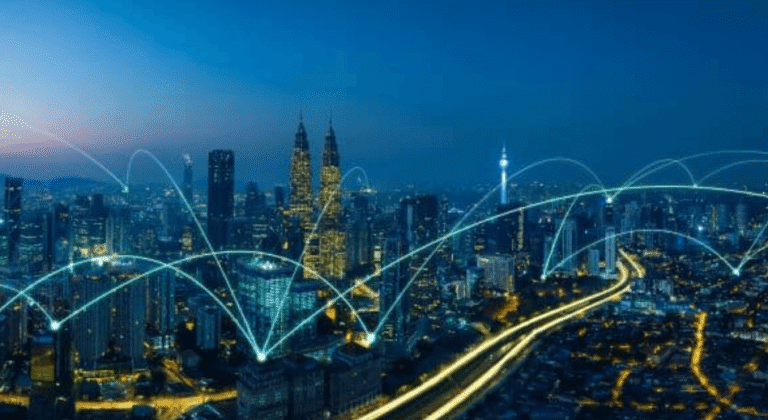
Smart cities represent a paradigm shift in urban living, driven by the integration of technology and data analytics. These environments prioritize efficiency and sustainability, reshaping transportation, energy usage, and public services. As diverse communities interact within these systems, questions arise about the balance between technological advancement and social equity. The implications of this transformation extend beyond convenience, hinting at deeper societal changes that merit further exploration.
Enhancing Urban Mobility Through Smart Transportation Systems
How can cities effectively enhance urban mobility in an increasingly congested world?
By integrating autonomous vehicles and real-time tracking systems, urban planners can optimize traffic flow and reduce congestion.
These innovations enable seamless movement, empowering citizens with the freedom to navigate their environments efficiently.
Strategic implementation of smart transportation systems not only eases urban mobility but also fosters a more connected and liberated community.
See also: The Impact of Artificial Intelligence on Job Markets
Promoting Sustainability With Green Technologies
What strategies can cities implement to promote sustainability through green technologies?
Cities can prioritize renewable energy sources, such as solar and wind, while investing in eco-friendly infrastructure like green roofs and efficient public transportation.
Improving Public Safety and Security in Smart Cities
As urban populations continue to grow, enhancing public safety and security in smart cities has become a critical priority for urban planners and policymakers.
Leveraging advanced technologies, such as surveillance systems and data analytics, facilitates effective emergency response while raising significant concerns about data privacy.
Balancing these innovations with the protection of individual freedoms is essential for fostering trust in smart city initiatives.
Fostering Community Engagement and Inclusivity
While the integration of technology in urban environments offers numerous benefits, fostering community engagement and inclusivity remains essential for the success of smart cities.
Effective community programs leverage digital platforms to enhance participation and collaboration among diverse populations. By promoting open dialogue and access to resources, these initiatives empower residents, ensuring that all voices are heard, thus enriching the urban experience and promoting harmonious coexistence.
Conclusion
In the vibrant tapestry of urban life, smart cities weave together technology and community, crafting a landscape where efficiency meets sustainability. With interconnected transportation networks flowing like veins through the city, green technologies thrive, breathing life into every corner. As public safety measures stand vigilant, a sense of security envelops neighborhoods, inviting diverse voices to participate in the dialogue of progress. Ultimately, the evolution of smart cities promises a future where urban living flourishes in harmony, rich with opportunity and inclusivity.