
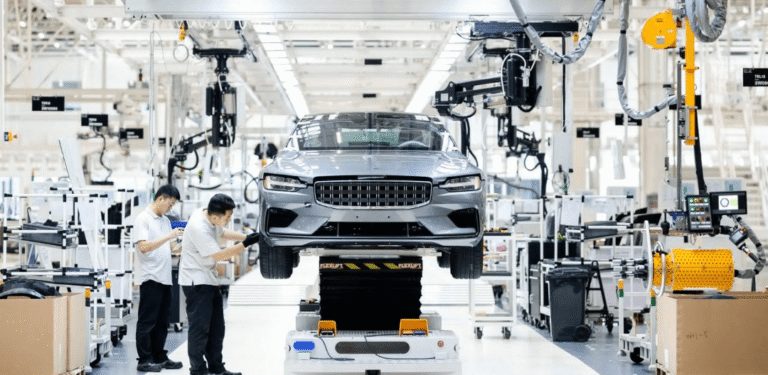
The advent of 3D printing technology is reshaping manufacturing industries. It introduces unprecedented design flexibility and accelerates prototyping processes. Companies can now produce customized products on demand, reducing waste and lead times. This shift not only enhances supply chain efficiency but also raises questions about traditional manufacturing models. As industries adapt to these changes, the long-term economic implications warrant further examination. What transformations lie ahead as 3D printing becomes more integrated into production systems?
Revolutionizing Design and Prototyping
As 3D printing technology continues to advance, it fundamentally transforms the processes of design and prototyping across various manufacturing sectors.
This innovation offers unparalleled design flexibility, enabling engineers to create complex geometries previously deemed impossible.
Additionally, rapid iteration allows for swift modifications, reducing the time from concept to prototype significantly.
Consequently, manufacturers can respond more effectively to market demands and enhance product development cycles.
Enhancing Supply Chain Efficiency
The integration of 3D printing technology not only enhances design and prototyping but also significantly improves supply chain efficiency.
It streamlines inventory management by reducing excess stock and enabling on-demand production, thus minimizing waste.
Furthermore, production agility is heightened as manufacturers can rapidly adapt to changing demands, ensuring timely delivery and reducing lead times, ultimately fostering a more responsive and flexible supply chain.
Customization and Personalization in Production
While traditional manufacturing often struggles to accommodate unique consumer preferences, 3D printing revolutionizes customization and personalization in production.
This technology enables mass customization, allowing manufacturers to create tailored products efficiently and cost-effectively.
Economic Implications and Future Trends
Although the adoption of 3D printing technology is still in its nascent stages within various manufacturing sectors, its potential economic implications are profound and far-reaching.
Cost reduction achieved through localized production can disrupt existing markets, challenging traditional supply chains.
As businesses increasingly embrace this innovation, future trends will likely include enhanced efficiency and a shift towards on-demand manufacturing, reshaping industry landscapes significantly.
Conclusion
In conclusion, the integration of 3D printing within manufacturing industries is not merely a trend but a paradigm shift that enhances design flexibility, supply chain efficiency, and customization. Notably, a study by Gartner reveals that by 2025, 75% of manufacturers will adopt additive manufacturing technologies, underscoring the technology’s growing prominence. As businesses embrace this innovative approach, they are poised to redefine production methodologies, drive sustainability, and secure competitive advantages in an increasingly dynamic market landscape.